



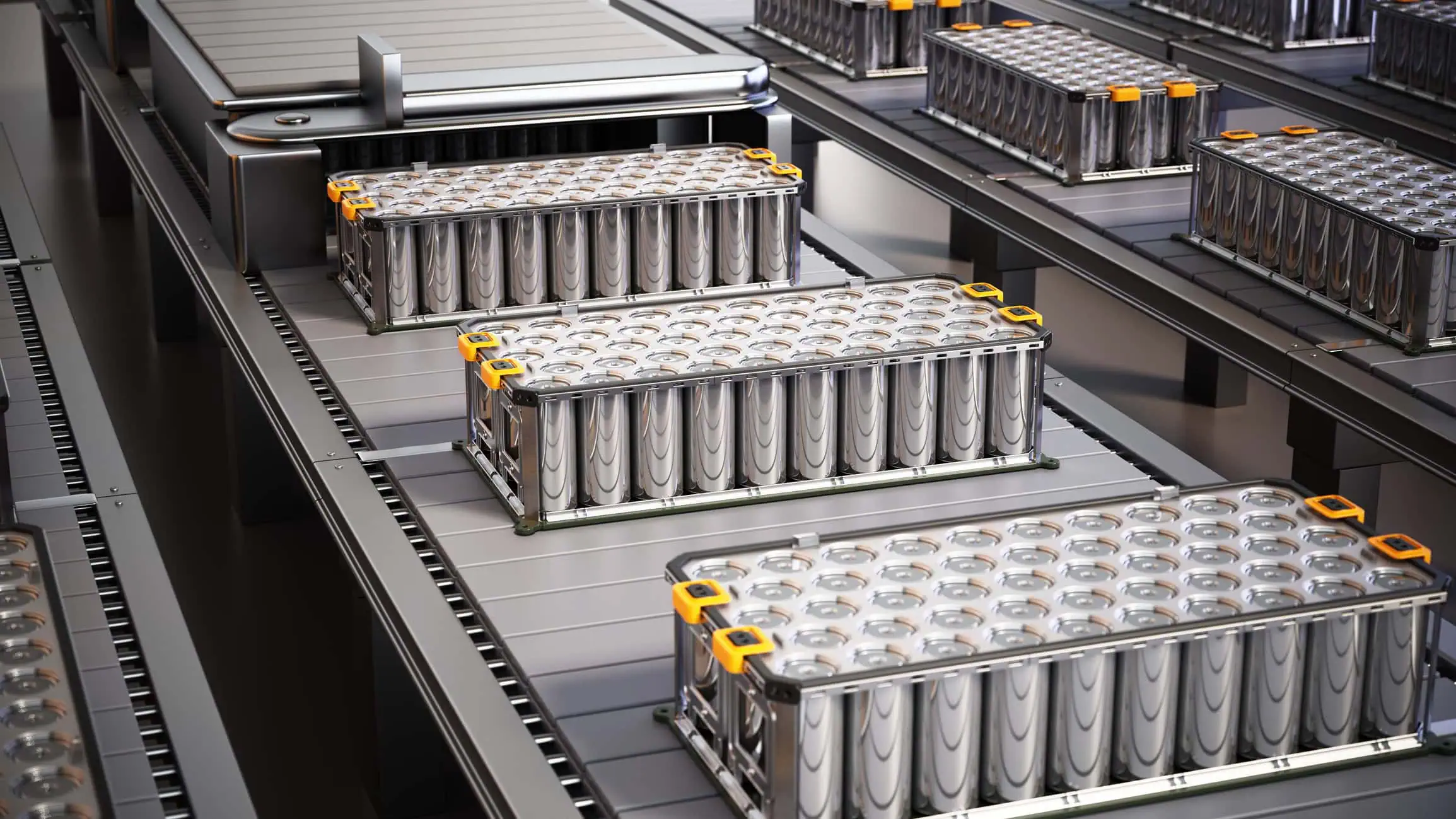
With the transformation toward electric trucks in the heavy commercial segment in Türkiye, the domestic development of traction batteries and standards-compliant production approaches aligned with international regulations are becoming a strategic focus. Supporting lithium iron phosphate (LFP) chemistry battery cells through domestic R&D and production projects strengthens a holistic industrial approach aimed at both supply chain independence and long-life, safe energy storage solutions. LFP-focused cell and energy storage facilities established in Türkiye, together with planned battery cell production investments for heavy commercial vehicles, are gradually building the infrastructure that enables electric truck platforms to be supplied by a domestic battery ecosystem.
Sectoral and Technical Approach: LFP-Based Energy Storage Architectures
High-voltage battery systems used in electric trucks are built around interrelated criteria such as energy density capable of supporting long-term operation under intensive load profiles, mechanical robustness, thermal stability, and cycle life. While LFP chemistry is among the preferred solutions in heavy commercial applications particularly in terms of thermal durability, cycle life, and safety, domestic cell and module development efforts aim to strengthen independent engineering capabilities in these areas.
In the design of high-capacity battery packs, cell arrangement architecture, mechanical protection at module and pack level, liquid- or air-based cooling systems, and power electronics topologies suitable for high-power charge/discharge conditions are addressed together. In electric trucks used in long-haul and distribution logistics, the integration of battery packs into the chassis, structural durability under vibration and impact loads, and serviceability become decisive parameters in design decisions.
Optimizing LFP-based domestic battery modules for heavy commercial usage profiles encompasses a broad engineering scope, ranging from in-cell chemical structure to battery management system (BMS) algorithms, from thermal management strategies to lifetime prediction models. In this approach, controlling cell temperature under high-current charge/discharge conditions, limiting thermal runaway risk, and modeling predictable capacity fade curves stand out as key technical topics.
Standards and Test Infrastructure: Compliance with IEC 62660-2 and European Norms
Safety and performance testing of traction batteries used in electric trucks is carried out within an audit framework based on international standards. The IEC 62660-2 standard is among the fundamental norms defining test procedures to evaluate the reliability and abuse behavior of lithium-ion cells used in electric and hybrid electric vehicles. Within this scope, cells are tested under conditions similar to capacity, cycle life, high- and low-temperature performance, short circuit, overcharge/over-discharge, and mechanical stress scenarios, generating data that feed into battery system design.
At vehicle level, the UNECE R100 regulation published under the United Nations Economic Commission for Europe provides comprehensive requirements regarding electric propulsion systems and the safety of rechargeable energy storage systems (REESS). This regulation presents an integrated framework including tests based on protection against electric shock in high-voltage systems, insulation resistance, mechanical integrity, safety after exposure to water, and safe operating conditions of battery packs. Especially in type approval processes in the heavy commercial class, battery packs passing the tests defined under this regulation are important for international acceptance.
Within the European Union, various norms have been published for different product groups related to electric propulsion systems and components. Although not prepared directly for heavy commercial vehicles, the EN 15194 standard for electrically assisted bicycles stands out as one of the European standard examples that serve as a reference in terms of safety, durability, and electromagnetic compatibility requirements for electric propulsion components. Experience and test methodologies derived from such norms can be adapted and evaluated for the design and verification approaches of subcomponents to be used in high-voltage heavy commercial applications.
In Türkiye, new LFP-focused investments and planned joint ventures for commercial vehicle battery cell production are laying the groundwork for establishing a domestic certification infrastructure targeting both cell-level IEC 62660-2 tests and pack-level UNECE R100 compliance. This framework represents a standards compliance strategy that supports technical acceptance processes in export markets for electric truck manufacturers.
National and International Framework: EU Emission Targets and Cross-Border Transport
The European Union has implemented the first comprehensive CO₂ emission standards for heavy commercial vehicles with Regulation 2019/1242, defining phased emission reduction targets for new truck fleets for specific dates. With updated regulations extending to 2030 and beyond, stricter targets are creating a policy framework that encourages the widespread adoption of zero-emission heavy commercial vehicles. In line with the European Green Deal and decarbonization strategies for heavy-duty road transport, these targets foresee the rapid deployment of battery-electric and other zero-emission vehicle solutions.
In Europe, battery-electric trucks are considered one of the main technological directions in the transition of heavy commercial transport to zero-emission vehicles. Battery-electric tractor units and distribution trucks developed by different manufacturers are being deployed through pilot projects and leasing models in long-haul and regional transport scenarios. In this context, electric heavy commercial platforms to be produced in Türkiye are being designed in alignment with European emission standards and charging infrastructure investments, targeting a competitive position in cross-border transportation.
R&D, Engineering, and the Development of a Domestic Ecosystem
Programs aimed at localizing LFP cell and module technologies link the ecosystem formed in Türkiye in the field of energy storage systems with heavy commercial applications in a stronger context. Through the collaboration of LFP cell production facilities, energy storage system integrators, and automotive-focused battery design teams, module dimensions, voltage levels, thermal management solutions, and safety functions suitable for the truck segment are being gradually optimized.
In R&D activities, life- and safety-focused test cycles, operating scenarios representing heavy load profiles, adaptation to cold–hot climate conditions, and the impact of fast-charging strategies on battery health are evaluated together. Algorithms developed for battery management systems include parametric structures that adapt cell balancing, state estimation (SOC/SOH), and thermal monitoring functions to heavy commercial operating conditions. In this scope, supporting battery packs with both virtual validation (simulation) and physical tests at cell, module, and system levels aims to establish a product range with high safety levels and standards compliance.
Overall Assessment and Sectoral Implications
The integration of domestic LFP battery technology in the electric truck segment stands out as a strategic step supporting the development of long-life, safe, and standards-compliant energy storage solutions for heavy commercial vehicles in Türkiye. A certification framework based on performance and abuse tests such as IEC 62660-2 at cell level and vehicle safety-oriented regulations such as UNECE R100 at pack level facilitates the technical acceptance of domestically produced battery systems in international markets.
In parallel, heavy commercial emission targets in Europe and policies promoting zero-emission vehicles require battery technologies to exceed certain thresholds in terms of energy density as well as safety and standards compliance in order for electric truck platforms developed in Türkiye to remain competitive in cross-border transportation. Domestic LFP battery integration contributes to the coordinated progress of R&D, production, and certification processes aimed at meeting these requirements, supporting in the long term the establishment of a more independent, safe, and efficient supply structure in electric heavy commercial vehicles.
