



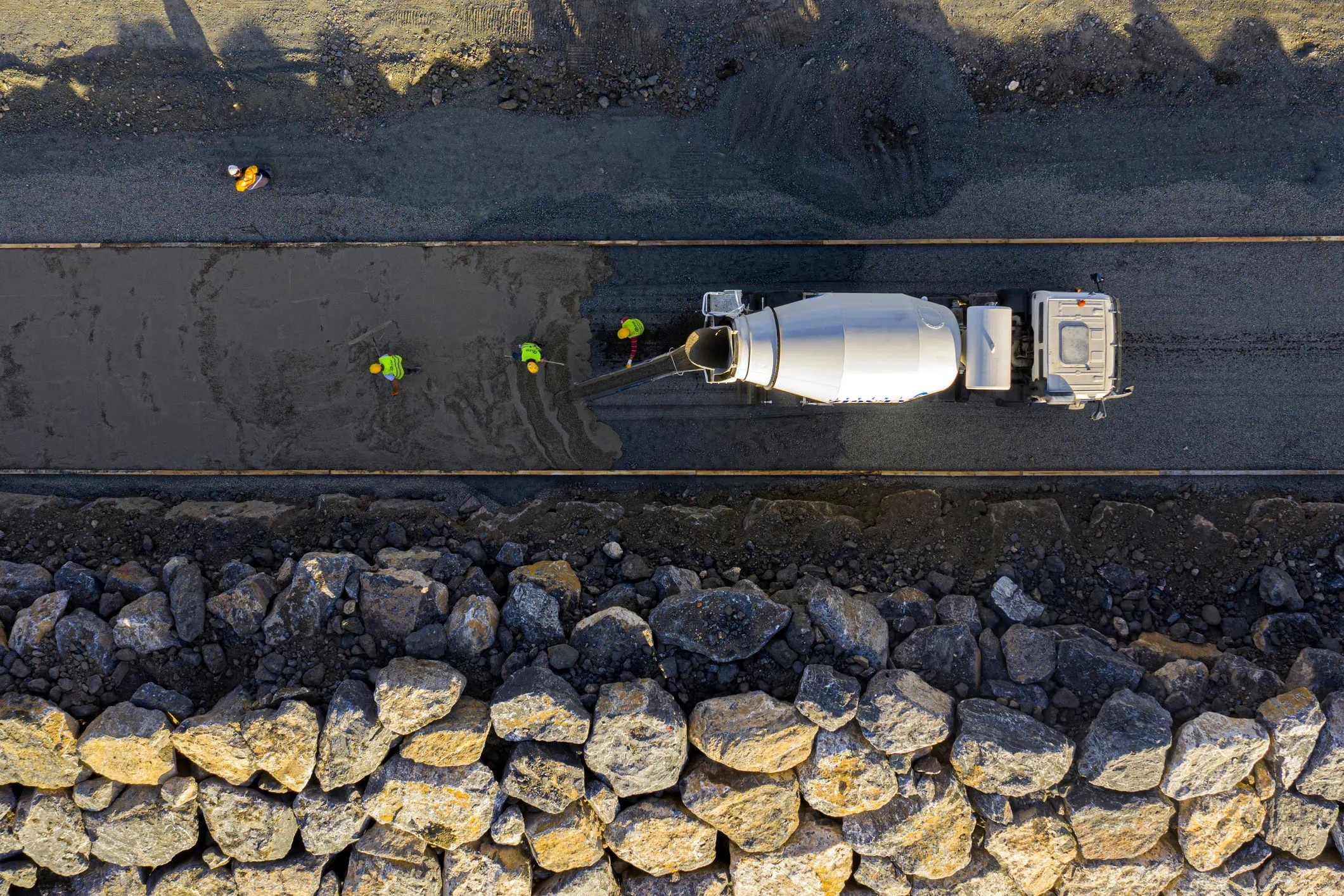
As of 2025, the production and use of concrete equipment such as concrete pumps, concrete mixers (transit mixers), and concrete batching plants in Türkiye is entering a notable evolution process oriented toward automation infrastructure and international standards compliance. Increasing sensitivity—particularly in concrete pumps and transport-mixing vehicles—to standards compliance, production quality, and on-site safety is ushering in a new era for both manufacturers and users across the sector.
Sectoral and Technical Development
Automation and control technologies stand out as the primary areas of development in concrete pumps and batching plants. Especially in concrete pump machines, digital control and sensor modules that enable monitoring of parameters such as concrete flow rate, pump pressure, distribution boom position, and hydraulic circuit safety have become more widely implemented in recent years. In this way, the aim is to maintain consistent performance during concrete transport and placement while enhancing occupational safety.
In addition to concrete pumps, concrete transport and mixing vehicles as well as concrete batching plants are also undergoing a modernization process in terms of dosing accuracy, mixture homogeneity, production speed, and quality control. In these machines, monitoring parameters such as the water–cement ratio, aggregate quantity, mixture consistency, and concrete strength through automated systems creates technical infrastructures that can help ensure standards-compliant concrete quality on site.
Standards and Certification Framework
The ISO 21573-1:2024 standard, which serves as an international norm for machines used in concrete pumps, is a reference standard that defines the technical characteristics and commercial descriptions of concrete pumps (mobile or stationary). This standard covers the definition of pump type, boom configuration, pump performance, chassis / carrier arrangement, and technical parameters.
The ISO 21573-2:2020 standard of the same series defines the “examination of technical parameters and measurement procedures,” which is significant for the performance testing and inspection processes of concrete pump machines.
One of the norms referenced in practice in Türkiye with regard to concrete pump production and operation is the TS EN 12001:2013 standard. This standard specifies safety rules and structural inspection criteria for machines used for conveying, spraying, and placing concrete and mortar. Periodic inspections and structural examinations of concrete pumps are carried out within this framework.
In terms of concrete production and concrete quality conformity, the applicable norm for the concrete itself is the TS EN 206 standard. This standard defines the classification, production, performance, conformity criteria, and conditions of use of concrete—making it critical for the quality of the concrete produced by concrete equipment.
In this context, ensuring that concrete equipment complies with the standards applicable to machine technical characteristics (pump, boom, transport), pump / transport / batching plant systems, and the concrete itself stands out as a fundamental requirement in terms of safety, quality, and validity in international markets.
National and International Framework
Concrete equipment manufacturers and concrete pump operators—particularly companies oriented toward international markets or involved in international projects—prefer products compliant with modern norms such as the ISO 21573 series. This opens the door for manufacturers in Türkiye to be competitive in both domestic and international projects, provided that they produce standards-compliant machines.
In Türkiye, it is also emphasized that practices related to periodic inspections and examinations of concrete pumps must be aligned with local regulations (for example, Regulations on the Use and Safety Conditions of Work Equipment); this requires that standards compliance be maintained not only at the production stage but also throughout the operation and maintenance phases.
R&D and Engineering Dimension
Technological transformation in concrete equipment includes engineering solutions such as sensor-based control systems, automatic pump management, flow–pressure monitoring, boom position control, hydraulic circuit safety, and measurement systems. These systems can enhance the performance, safety, and traceability of transport and placement operations of concrete pumps.
In addition, in concrete transport and batching plant processes, issues such as maintaining consistent concrete quality, accurate material dosing, monitoring of the water/cement ratio, and testing of concrete strength are supported by automation and quality control systems in order to meet the requirements of the TS EN 206 standard. This approach can reduce errors and labor-related quality deviations in concrete production and placement processes.
The adoption of automation and a standards-compliant design approach in concrete equipment in Türkiye provides a technical infrastructure that enhances production quality, safety, and traceability across concrete pumps, transit mixers, and concrete batching plant classes. This can offer a significant advantage in terms of usability in both local and international projects.
