



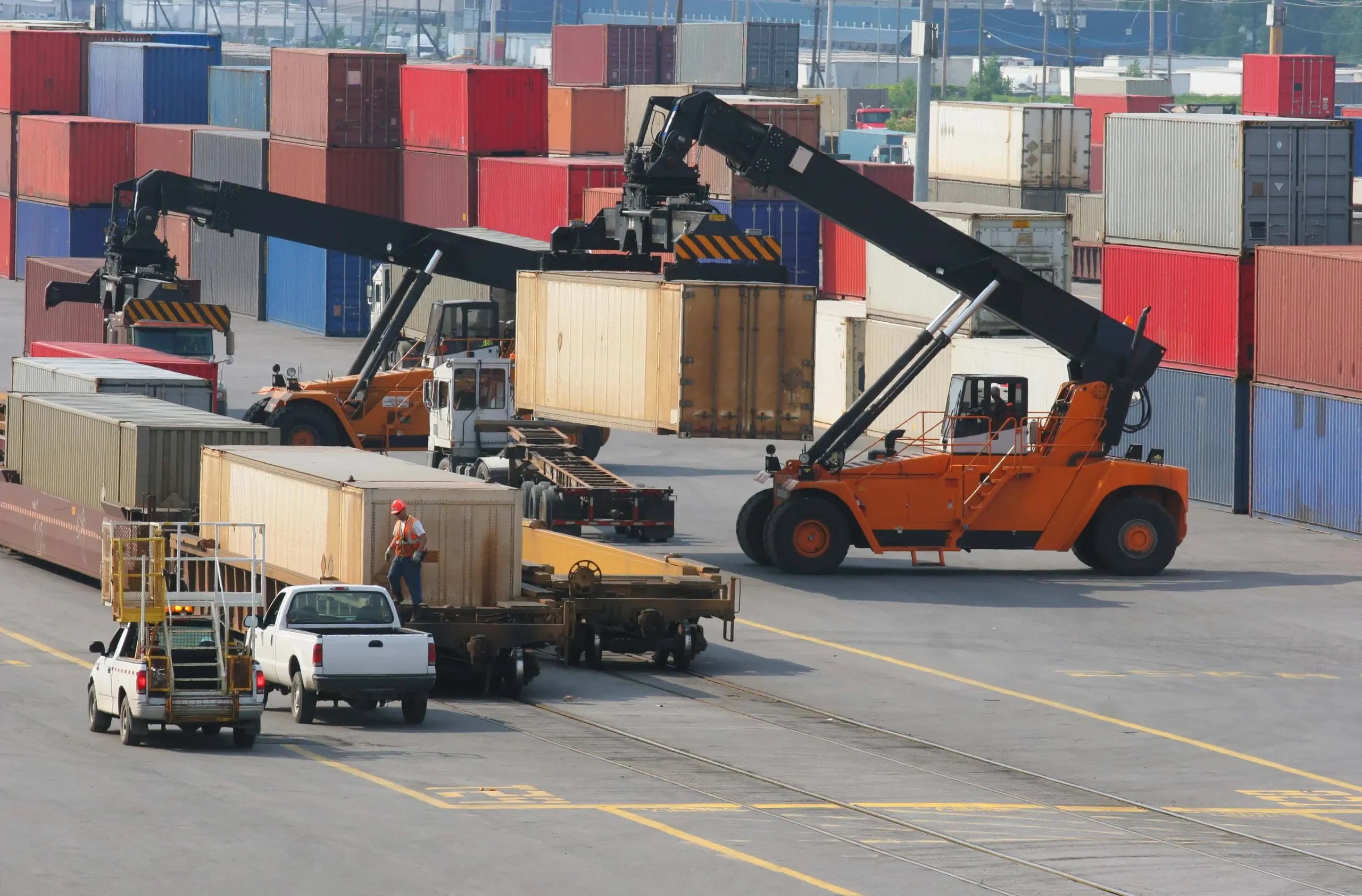
As of 2025, production activities carried out in Türkiye across the mobile crane, tower crane, forklift, and telescopic handler categories are evolving toward a structure more closely aligned with international safety standards. Strengthening design, structural integrity, and electronic control infrastructures in lifting equipment supports the adoption of a more integrated and safety-oriented approach within the product portfolios of domestic manufacturers.
Sectoral and Technical Development
The modernization trend in lifting equipment is manifested through the digital verification of structural strength analyses, the development of load monitoring solutions, and the increased use of electronic support systems. In mobile and tower cranes, moment control, load balancing systems, and stability management against rollover risk stand out among the key technical topics.
In the forklift and telescopic handler classes, operator-assisted safety functions, tilt warning systems, automatic speed limiters, and electronic control interfaces are being evaluated with increasing frequency. Domestic manufacturers tend to apply sensor-based monitoring solutions in a more integrated manner in new models within these machine groups.
Standards and Certification Framework
The structural design and safety principles of lifting equipment are assessed in alignment with frameworks defined in international norms. The EN 13001 standard serves as a fundamental technical document specifying methods for load calculations, design safety factors, stability conditions, and operating limits for lifting machinery. The structural analysis approach provided by this standard is recognized as one of the international reference frameworks used in crane design and similar lifting applications.
In the forklift segment, the ISO 3691 standard covers a broad set of requirements including driving characteristics, control layout, electronic safety functions, speed control, and operator protection. The relevant parts of this standard define the minimum design conditions required for the safe operation of forklifts.
The ROPS (ISO 3471) and FOPS (ISO 3449) frameworks used for operator cabin structures define test and performance requirements for protection against rollover and falling object impacts. These two structural safety standards, applicable to lifting equipment, serve as common international references for verifying cabin strength.
National and International Framework
In Türkiye, independent programs aimed at developing electronic control components in lifting equipment and expanding the use of domestic software and power transmission solutions are coming to the fore. Manufacturers take these requirements into account at the design stage for machine groups in which compliance with international norms has become mandatory in supply processes for the European market.
In international markets, the emphasis on safe working areas, load capacity verification methods, electronic stability monitoring systems, and operator protection stands out among the determining factors supporting technical compliance across the crane, forklift, and telescopic handler segments.
R&D and Engineering Dimension
R&D activities in lifting equipment focus on functions such as load limit control, moment monitoring solutions, digitalization of load charts, and more precise tracking of operating inclinations. These modules contribute to operating machines without exceeding their limit values.
Developments in hydraulic systems aim to ensure more stable lifting performance under demanding site conditions. Engineering efforts toward electric propulsion solutions in forklift and telescopic handler platforms are evaluated with the objective of increasing energy efficiency and reducing operating costs.
The adoption of design criteria based on the EN 13001 and ISO 3691 frameworks in lifting equipment in Türkiye presents an approach that strengthens both safety levels and technical standards compliance. New models developed in the mobile crane, tower crane, forklift, and telescopic handler classes establish a more reliable foundation for local and global users through modern control mechanisms and design elements aligned with international technical norms.
