




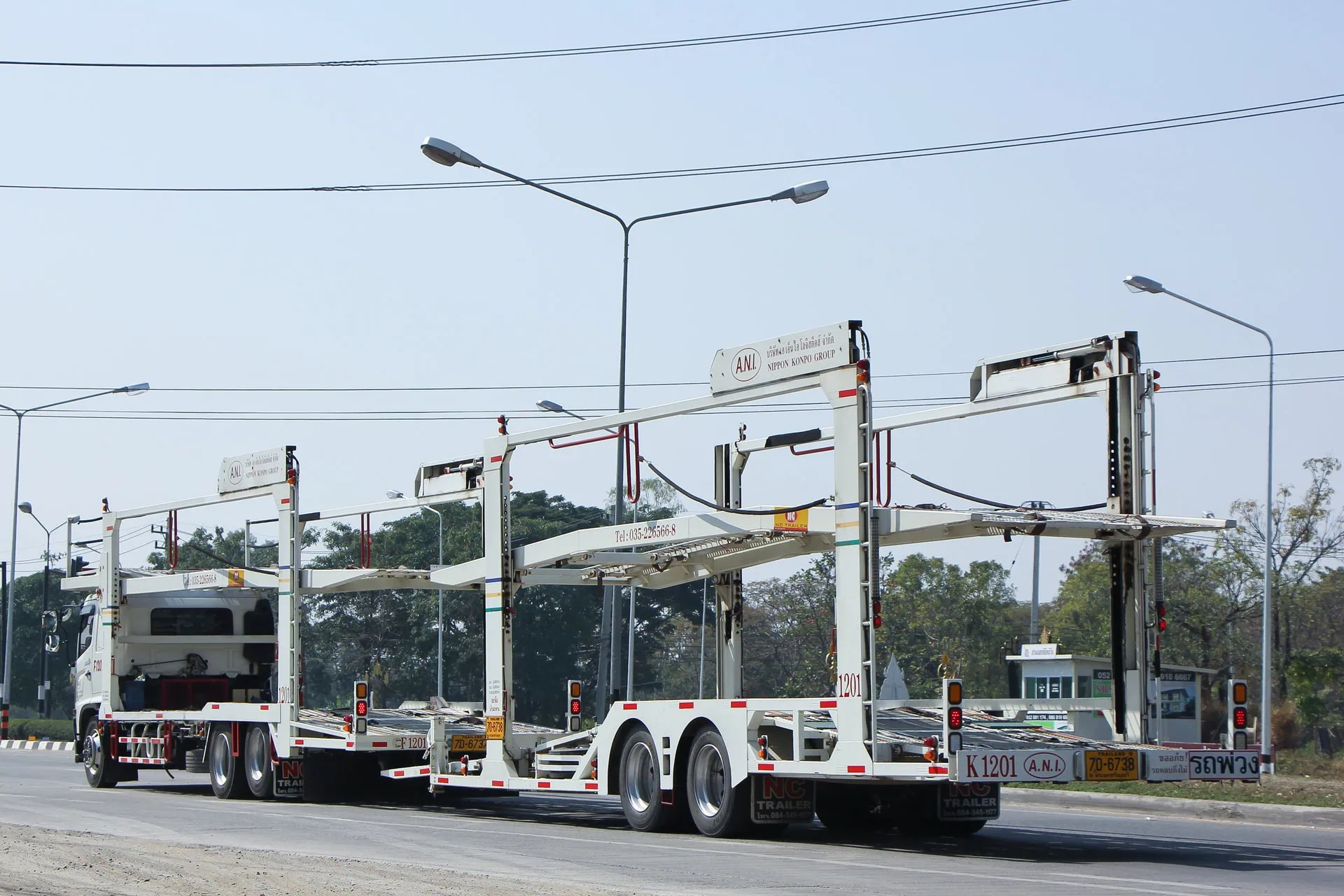
A New Trailer Approach Through Digitalization
Digital load management and telematics infrastructures are rapidly becoming widespread in vehicle carrier, container carrier and waste/scrap transport trailers used for logistics and recycling purposes. Trailer manufacturers and fleet operators aim to increase load stability, operational safety and transport efficiency by integrating sensor-based load monitoring, real-time location tracking and data analytics technologies.
Technical Innovations: Telematics and Sensor-Based Monitoring
In new-generation trailer platforms, GPS modules, tire pressure and axle load sensors, EBS/CAN data and telematics gateways come together to create a comprehensive monitoring infrastructure. These systems can instantly measure critical parameters such as load weight, axle load distribution, braking data, tire temperature and pressure, enabling early detection of risks such as overloading, load shift or imbalance.
Some advanced solutions also monitor parameters such as door opening, movement/vibration, temperature and impact through sensor and camera systems, offering integrated “security + surveillance + data collection” capabilities.
Contribution of Logistics 4.0 and Smart Tracking Systems
With the adaptation of Industry 4.0 to the logistics sector, telematics, IoT and data analytics are reshaping transport processes in terms of sustainability, cost efficiency and operational safety. Fleet managers are achieving significant gains in areas such as maintenance planning, route optimization, utilization efficiency, empty return rates and load safety.
In operations with variable load characteristics, such as container and waste transport, load movement, weight balance, loading/unloading stages and potential risks are continuously monitored through sensors, enhancing occupational and environmental safety.
System Applications and Technical Requirements
Smart load management platforms operate in integration with sensor hardware, CAN/telematics communication infrastructure, cloud-based data management systems, EBS/braking/chassis monitoring modules and fleet management software.
Some systems make it possible to manage multiple functions — such as overload/imbalance alerts, tire temperature and pressure measurements, door status, route and location tracking, and cargo security — through a single interface.
Sectoral Situation and Expectations
Literature and sectoral assessments indicate that telematics and smart monitoring systems have become standard among European and global logistics companies. In Türkiye, pressure for digitalization, competitive conditions and fleet management needs are encouraging the wider adoption of smart load management solutions. However, quantitative data such as overall sector penetration rates remain limited.
Overall, smart monitoring infrastructures are regarded as a critical technological step in terms of load safety, operational traceability and fleet efficiency, and are contributing to Türkiye’s logistics competitiveness.


