



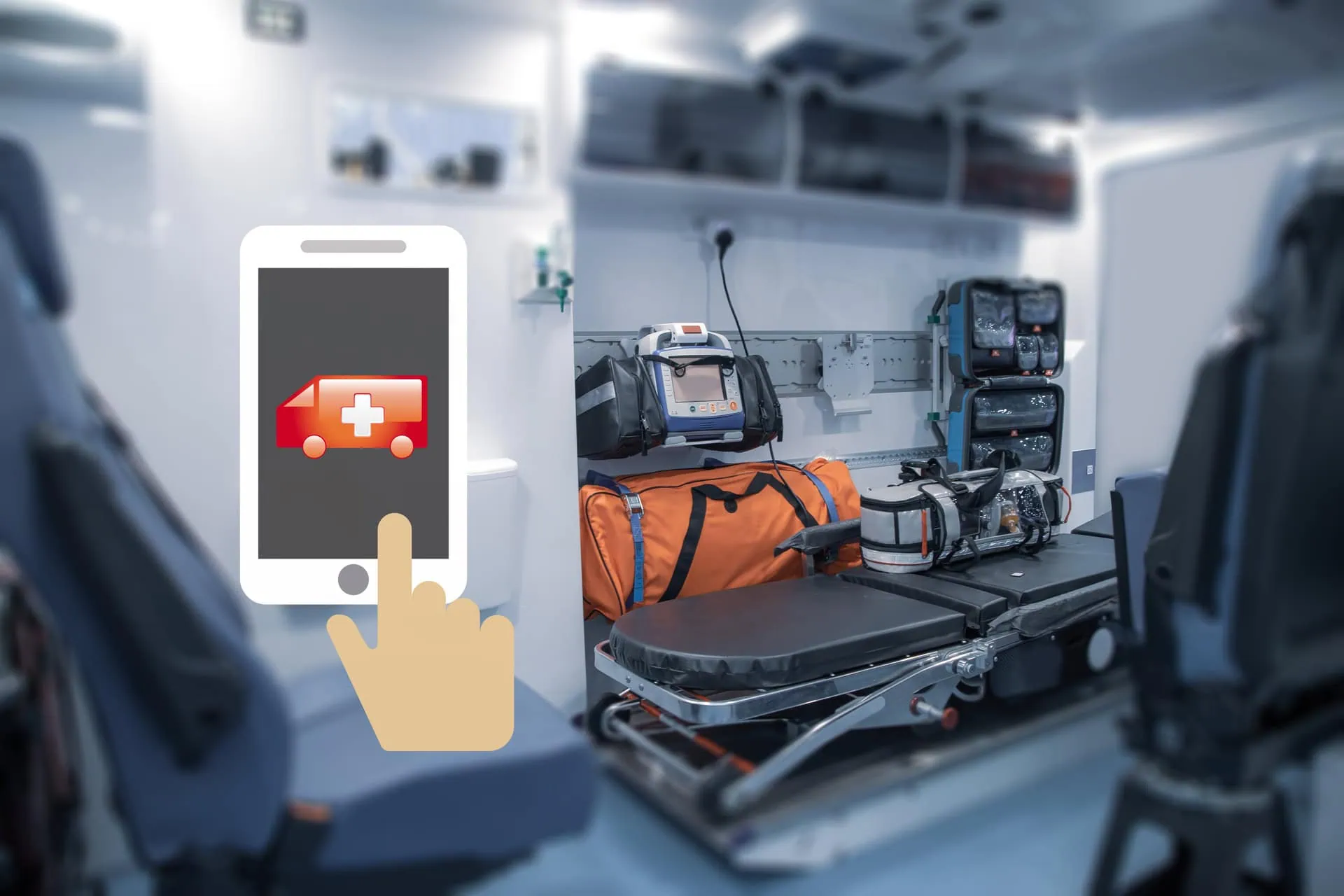
Digital control and remote monitoring technologies are increasingly being implemented in ambulance services. Systems referred to as “smart ambulances” aim to enhance the effectiveness of emergency medical services by transmitting patient data, vehicle location information, and operational parameters to emergency response centers in real time.
Digital Control and Data Integration
Many manufacturers and technology providers offer software and hardware solutions that can be integrated into ambulances. These solutions are designed to enable the combined operation of data received from medical devices (such as cardiac monitors and vital signs sensors), in-vehicle sensors, GPS/navigation systems, and communication infrastructure.
Telemedicine support, video conferencing, live transmission of patient data, fleet tracking, and vehicle performance monitoring are among the key features of the modern smart ambulance concept. Through these capabilities, medical data can be transmitted to the center while the patient is still undergoing an initial assessment at the scene, allowing hospital teams to prepare in advance.
Standards, Certification, and Legal Framework
International standards play an important role in medical device safety and quality management. In particular, the ISO 13485 quality management standard aims to ensure quality and safety in the design, production, installation, and servicing of medical devices.
In addition, solutions such as monitoring, camera, and tracking systems used in ambulances are required to meet relevant legislation and standardization requirements. Some technology providers state that the solutions they offer comply with these standards.
National and International Framework
Globally, the “smart ambulance” concept is developing toward the digitalization of emergency response processes and improving the accessibility of healthcare services. Within this framework, ambulances are evolving beyond simple patient transport vehicles into mobile healthcare units.
In Türkiye, steps are also being taken to integrate these technologies into ambulance fleets, enabling digital transformation in ambulances through software and mobile device infrastructure.
Research and Development and Engineering Dimension
Smart ambulance systems require IoT sensors, mobile data communication technologies (such as 4G/5G), real-time data transmission, GPS-based fleet management, integrated medical devices, and secure software infrastructure.
In addition, many engineering- and software-focused subcomponents—including patient monitoring, medical data security, vehicle and patient comfort, inventory control, and traceability—must operate together within these systems. Some conceptual studies also indicate that all assets in the ambulance—such as equipment, consumables, and devices—can be monitored through automated data collection and tracking.Digitalization in Emergency Healthcare and Operational Efficiency
Smart ambulance systems enhance speed, coordination, and efficiency in emergency medical services by digitally integrating patient data, fleet information, and communication. Ambulances are transforming into mobile healthcare units rather than remaining conventional transport vehicles. In Türkiye, technological infrastructure efforts and implementations in this direction are progressing in alignment with international standards. These developments carry the potential to improve not only the quality of medical care in emergency services, but also logistical and organizational processes.
