




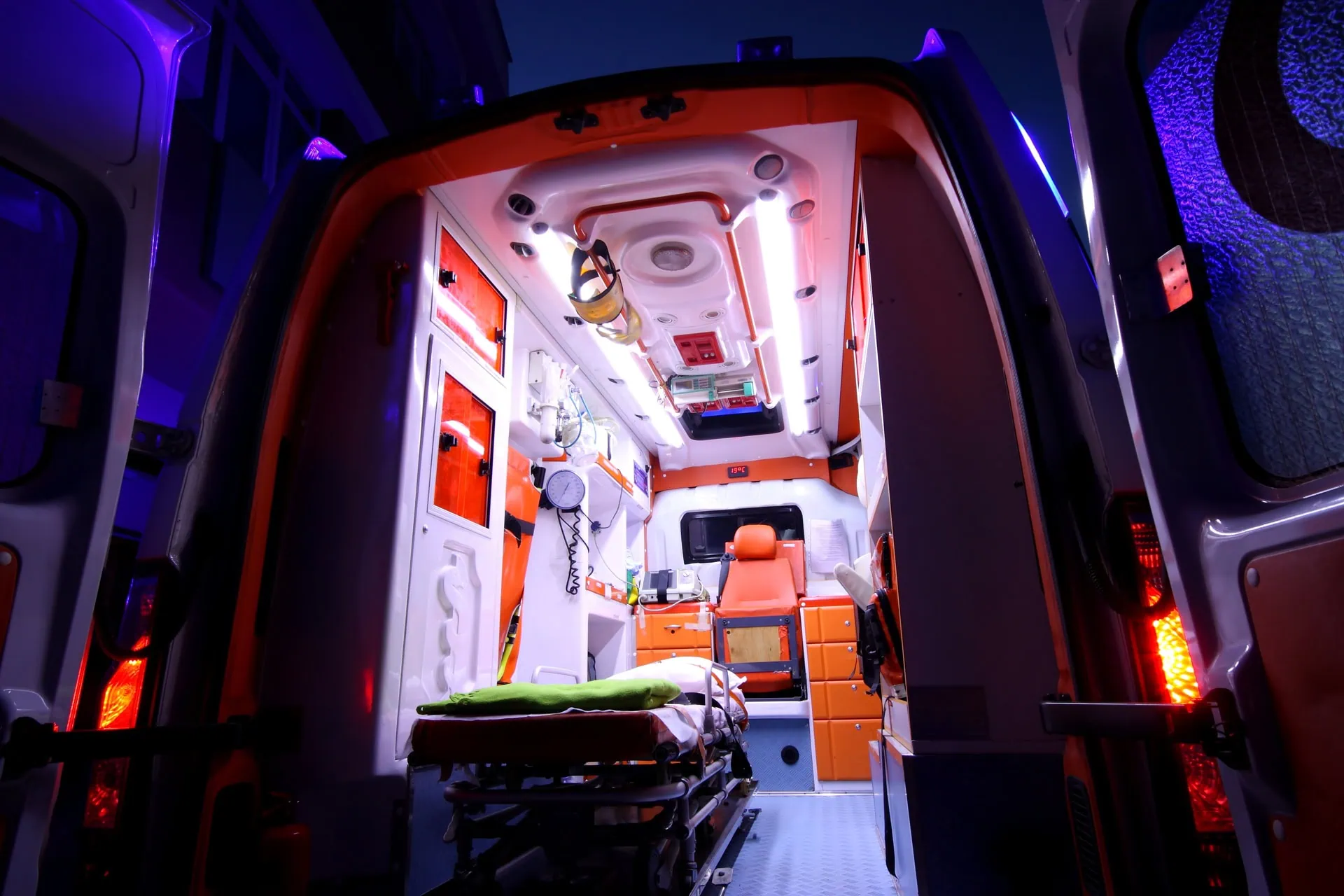
In Türkiye, innovations focused on hygiene, climate control and air circulation systems in ambulance production are gaining momentum in line with international norms. New-generation cabin and equipment designs aim to enhance the safety of patients and healthcare personnel, as well as vehicle hygiene and comfort.
Sectoral and Technical Dimension
In ambulance production, interior cabin designs are no longer limited to being transport units, but are being reconfigured to comply with standards for patient care and medical intervention vehicles. Within this scope, in-cabin ventilation, air-conditioning/heating and air circulation systems are being combined with sterilization-compatible surface coverings. In particular, modular structures aimed at improving insulation, ease of cleaning and patient comfort are being introduced by local manufacturers. At the same time, antibacterial surfaces, cleanable panel coverings and hygienic interior lining solutions are coming to the fore as standard and optional equipment in ambulance cabins. These designs take into account hygiene and sterilization requirements in both patient transport and emergency intervention scenarios.
Standards, Certification and Compliance Inspections
The European standard EN 1789 defines critical requirements such as the design and equipment of road ambulances, patient and crew safety, climate control and interior environmental conditions. When ambulances are produced in compliance with this standard, criteria related to the patient compartment, heating/cooling, ventilation/climate control systems, hygiene and ergonomics must be met. In Türkiye, the production of ambulances compliant with this standard and post-sale inspection procedures are carried out by the Turkish Standards Institution (TSE). EN 1789 conformity inspections are mandatory for newly registered ambulances and for vehicles undergoing modification. This inspection and certification process stipulates that interior environmental conditions must be safe, sterile and ergonomic, and that climate control systems must be verified through cooling and heating performance tests.
National and International Framework
Companies producing ambulances in Türkiye aim to maintain their competitiveness both in the domestic market and internationally by complying with the EN 1789 standard. As EN 1789 is considered a reference for ambulance design and equipment in Europe, such compliance represents an important criterion for exports and international medical vehicle supply. In some manufacturer listings, it is stated that models classified as patient transport, emergency aid or intensive care ambulances are produced in accordance with EN 1789 and equipped with in-cabin climate control, sterile surface coverings and hygienic flooring.
Research and Development and Engineering Dimension
Local manufacturers are conducting research and development activities on components such as modular cabin designs, climate control systems, air circulation, insulation and hygienic interior surface coverings. As a result, ambulance cabins provide an environment suitable for patient care while also being compatible with routine cleaning, disinfection and maintenance processes. In particular, heating/cooling systems, air-conditioning and ventilation units are tested in line with EN 1789 performance requirements — under different external conditions — to control in-cabin temperature, air circulation and humidity balance.
Sectoral Situation
In Türkiye, significant progress is being observed in hygiene, climate control and air circulation technologies in ambulance production. With manufacturing in compliance with EN 1789 and inspections conducted by TSE, ambulances have moved closer to international norms in terms of patient comfort, hygiene, safety and operational characteristics. This transformation is important both for raising the quality standards of public and private healthcare services and for strengthening Türkiye’s production and export capacity.


