



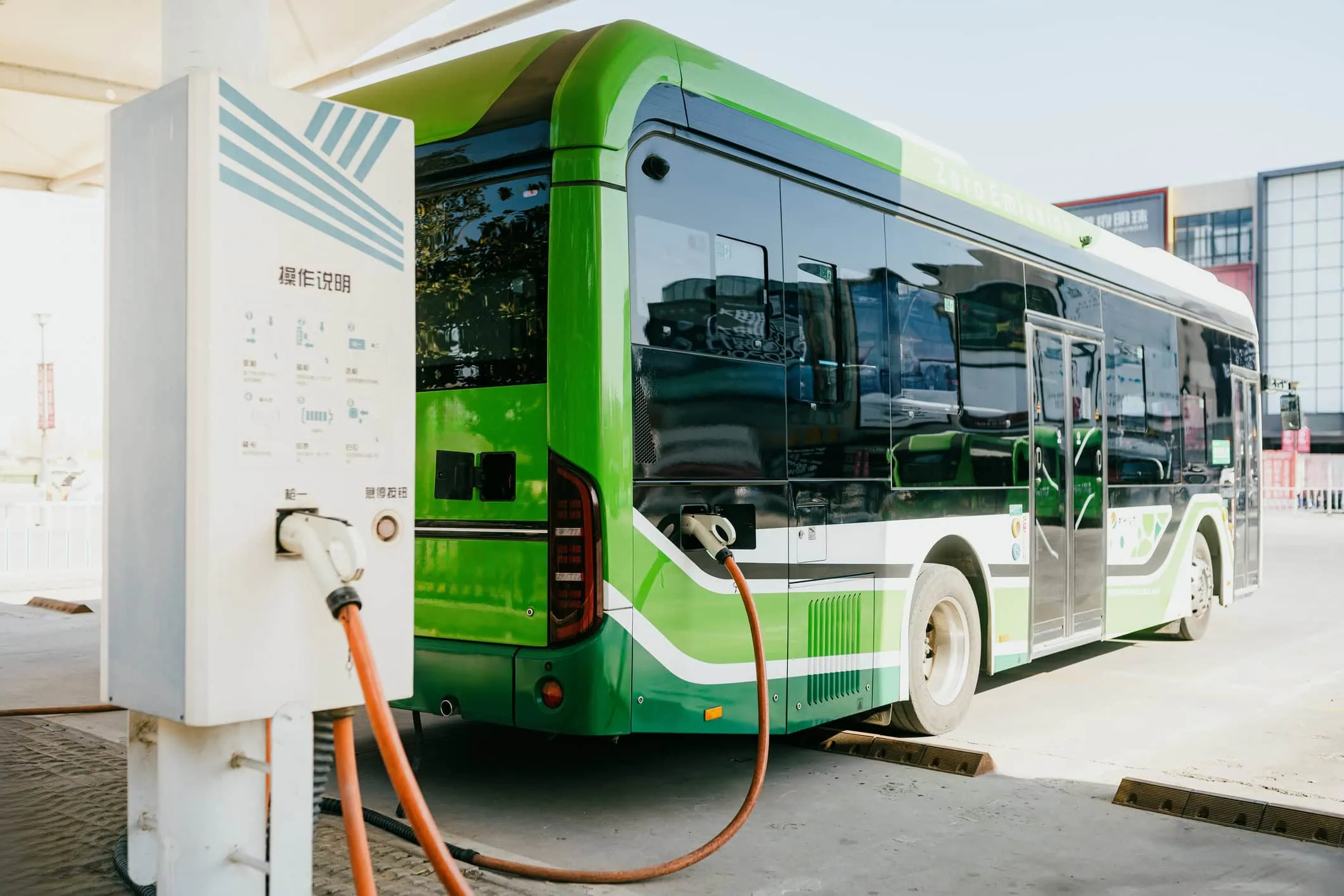
Efforts to Comply with the Euro 7 Emissions Standard
The Euro 7 standard, the European Union’s latest vehicle emissions regulation, introduces stricter pollution limits that cover not only exhaust emissions but also particulate emissions resulting from brake and tire wear.
This new norm includes rules applicable to diesel/petrol, hybrid, and electric vehicles alike; therefore, in the midibus segment it necessitates the redesign of engines and exhaust systems, as well as technical measures such as exhaust aftertreatment, catalyst systems, and particulate filters.
At the same time, since emissions originating from brake and tire wear are also included within the scope of Euro 7, more advanced engineering solutions — including fuel efficiency and exhaust aftertreatment — are gaining importance in vehicle design.
Passenger Safety in Automatic Door Systems: The EN 16005 Standard
In midibuses, EN 16005 stands out as an important reference for enhancing safety in passenger doors — particularly in automatic door systems. This standard aims to protect users against risks such as trapping, impact, and injury during closing in mechanical or electro-hydraulic door systems.
EN 16005 defines the safety criteria to be followed during the design, installation, testing, and maintenance stages of automatic doors; it requires doors to be equipped with protective mechanisms such as sensors, emergency stop functions, and soft-closing features.
Within this framework, midibus manufacturers are designing vehicles by taking into account the safe operation of passenger doors, the activation of sensors and safety mechanisms, as well as regular maintenance and testing processes.
Requirements in the Technical and Engineering Infrastructure
Euro 7-compliant engine and propulsion systems require more advanced combustion efficiency, enhanced exhaust aftertreatment systems, hybrid integration, or alternative engine/installation configurations. This changes not only the environmental performance of midibuses but also their fuel efficiency and maintenance requirements.
In door systems, in line with EN 16005 requirements, ensuring that automatic door mechanisms are safe, sensor-equipped, and tested; capable of responding to emergency situations; and designed to provide passenger safety becomes a priority.
The Importance of International and Local Compliance
The adoption of the Euro 7 standard enables midibuses produced in Türkiye or supplied from abroad to comply directly with environmental expectations in the European market, while also contributing to environmentally friendly transportation objectives in the domestic market.
Similarly, EN 16005-compliant door systems — addressing the lack of standards in passenger safety and user comfort — demonstrate vehicles’ compliance with international safety norms and create an advantage in terms of conformity certification.
Taking into account both the Euro 7 environmental standard and the EN 16005 passenger door safety standard in the midibus segment creates new technical responsibilities for manufacturers in terms of reducing environmental impacts and increasing passenger safety. Midibuses designed in accordance with these standards are seen as offering significant steps toward both sustainable transportation and safe mobility.
