



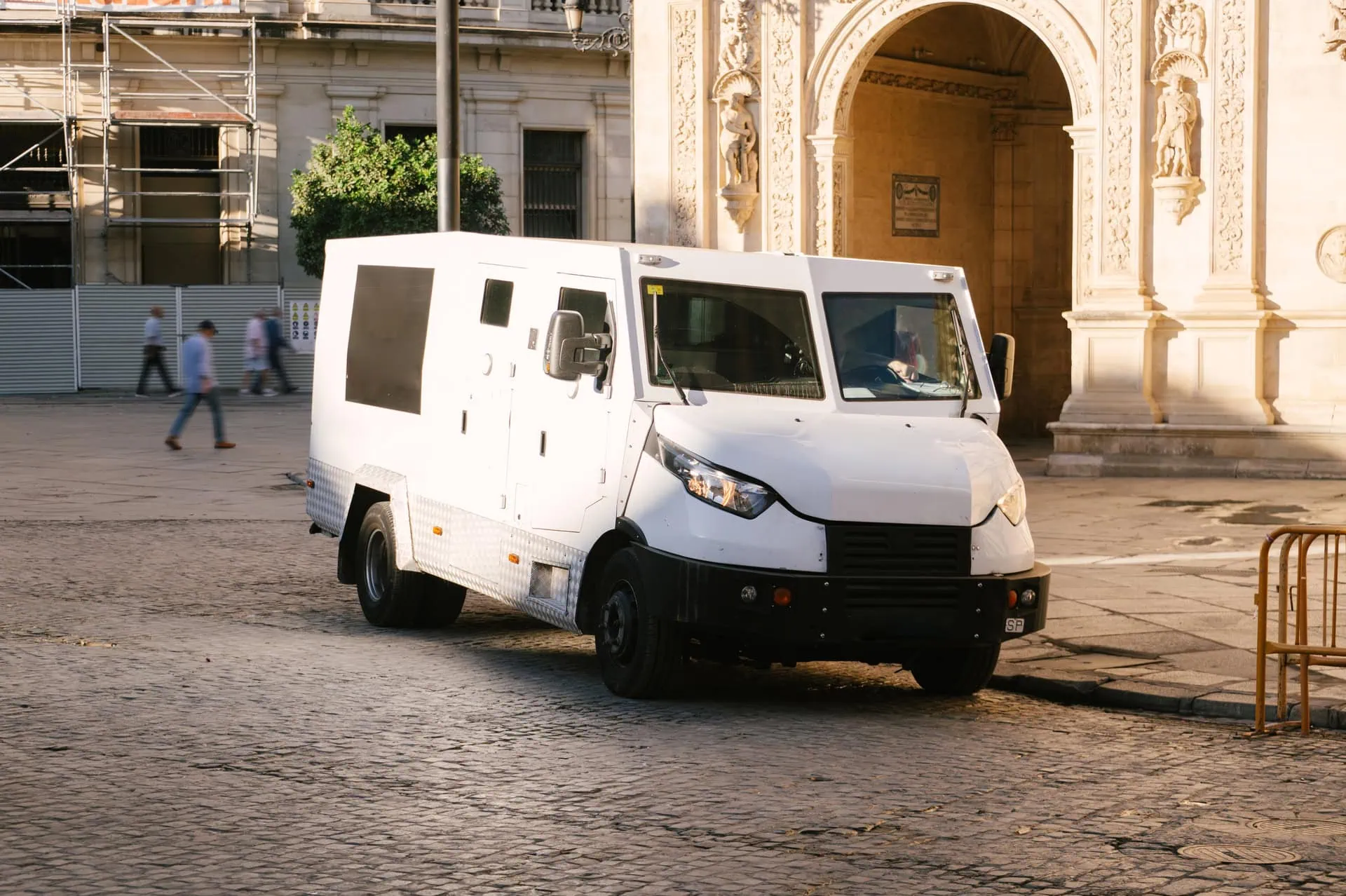
In Türkiye, advancements in material technology and forming methods in the production of specially equipped minibuses and VIP vehicles are ushering in a new era through the use of composite materials, modular cabin structures, and the integration of armored equipment. Composite technologies offer the potential to both reduce vehicle weight and increase structural strength and protection levels.
Sectoral and Technical Structure
Composite materials — such as glass fiber, aramid, and high-strength polymer matrix composites — stand out as alternatives to traditional steel armor by providing high protective performance at lower weight. Composite armor and structural components of this type can offer weight reduction, advantages in fuel or energy consumption, and improved maneuverability in armored or VIP minibuses.
In composite armor systems, a multilayer structural approach — with a hard, high-rigidity outer layer and inner layers designed to absorb energy and distribute impact — enables protection against ballistic threats while minimizing overall vehicle weight. This approach helps preserve payload capacity while avoiding negative effects on comfort and driving dynamics.
In VIP minibuses, composite body structures, armor solutions, modular cabin interior layouts, and comfort features can be considered together. This combination allows the development of versatile vehicle platforms that enhance protection levels while meeting luxury and comfort expectations. Some local manufacturers are observed to offer VIP and armored vehicle modification services.
Standards and Certification Framework
Composite armors used in armored vehicles require different material physics and design methodologies compared with traditional metal armor. In this context, processes such as ballistic and blast resistance testing, durability verification, and sealing inspections for composite armors — preferably conducted in accredited laboratories — are critical for safety and quality assurance. The literature indicates that composite armor materials offer advantages over metal armor in terms of light weight, high strength, corrosion resistance, and fatigue life.
In civilian VIP and minibus solutions, aspects such as comfort, ergonomics, interior equipment layout, modular configuration, and safety equipment — excluding armor but including infrastructure readiness — are emphasized in manufacturer presentations and technical proposals.
National and International Context
Composite armor technology and modular VIP or armored minibus production have technical potential not only for the domestic market in Türkiye but also for regional markets such as the Middle East, as well as international security and special transportation sectors. Lightweight, protected vehicles using composite armor offer advantages over traditional armored vehicles in terms of protection–mobility balance, fuel or energy efficiency, and comfort, thereby enhancing manufacturers’ competitiveness in export markets.
Furthermore, developments in composite technologies — including fiber-to-matrix ratios, multilayer configurations, and advanced resin and matrix systems — technically enable vehicle designs that combine armor protection with comfort. This supports greater engineering-driven product diversity in the VIP and security-oriented minibus and vehicle segment.
R&D and Engineering Dimension
In recent years, intensive research has focused on material technologies, layered structures, hybrid composite–metal combinations, and lightweight armor concepts in composite armor production. These efforts aim to simultaneously address requirements related to ballistic protection, weight reduction, maneuverability, fuel or energy efficiency, corrosion resistance, and service life.
The advantages of composite materials are not limited to armor protection. In automotive applications, the use of composites generally contributes to improved fuel or energy efficiency and positively affects driving dynamics due to reduced vehicle weight.
In addition, the flexibility of composite technology in modular cabin structures — including installation, equipment placement, and interior comfort arrangements — enables VIP or armored minibuses to meet both security and comfort expectations on a single platform.
Composite material technology stands out as a key driver of structural transformation in the production of VIP and armored minibuses. Lightweight construction, high strength, ballistic or impact resistance, combined with comfort and modular cabin solutions, make these vehicles attractive in terms of both security and operational efficiency. Manufacturers operating in Türkiye have competitive potential in both local and international markets with composite-based VIP and armored vehicle solutions.
