





In Türkiye, a shift toward lightweight materials and modern superstructure technologies in the production of waste collection vehicles is gaining momentum. In particular, aluminum or composite superstructures and modular superstructure designs aim to both improve fuel/energy efficiency and strengthen compliance with environmental sustainability standards.
Sectoral and Technical Structure
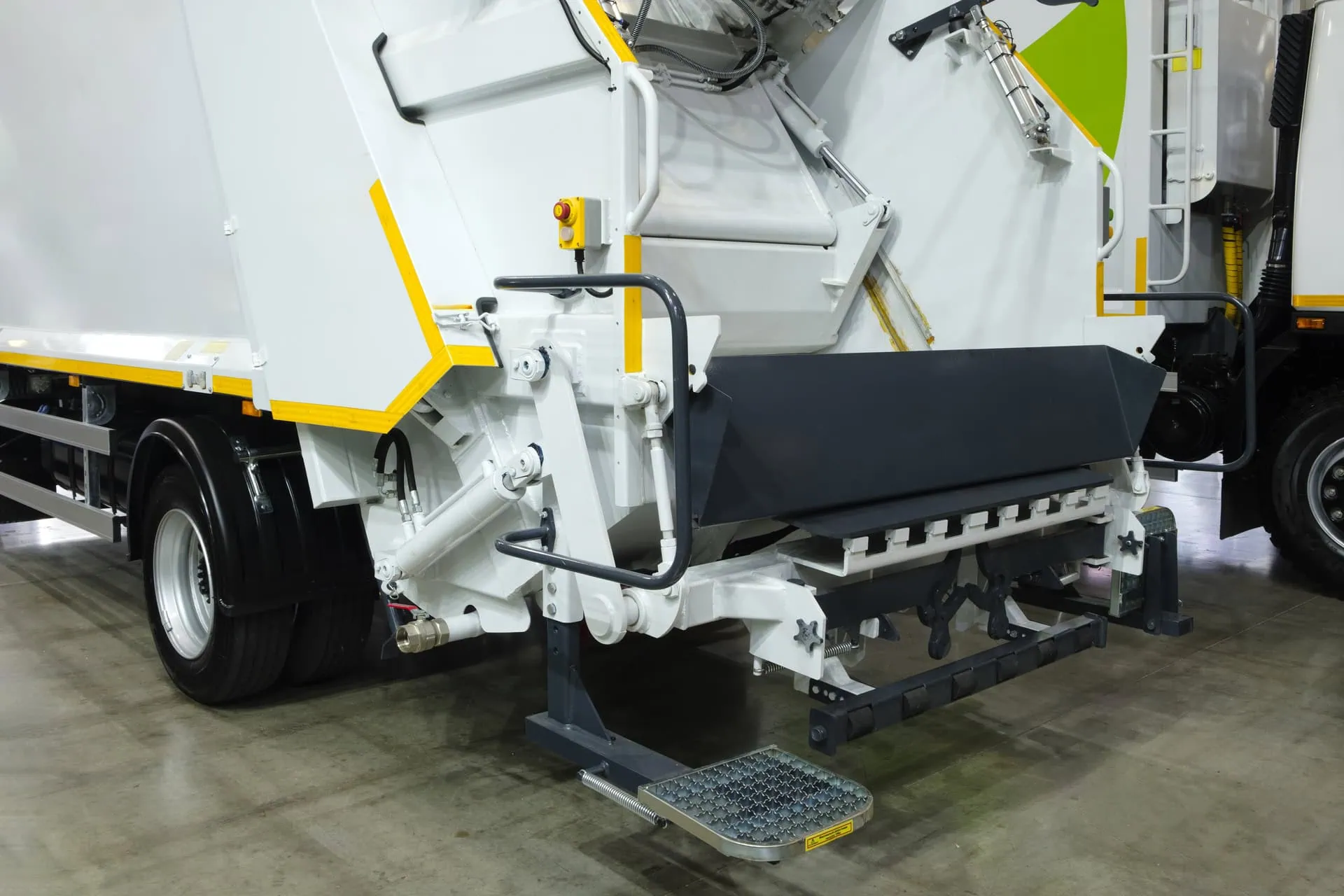
Some domestic manufacturers are using lightweight materials instead of conventional steel in the superstructures of waste collection vehicles; in this way, they aim to reduce the vehicle’s overall weight while maintaining payload capacity. Lightweight superstructure design can offer operational advantages such as easier maneuverability in narrow urban areas, lower fuel consumption, and reduced maintenance costs.
In addition, when these vehicles are combined with smart waste management systems—such as sensor-based container fill-level monitoring, route optimization software, and data-driven fleet management—logistical efficiency in collection processes is targeted to increase. In Türkiye, there are initiatives focused on such “smart + lightweight” superstructure solutions.
Standards, Environmental Compliance, and Certification
In Europe, regulations and strategies aimed at reducing the environmental impact of vehicles throughout their design life cycle are becoming more prominent. In particular, within the scope of the European Green Deal and the Circular Economy Action Plan, criteria such as material efficiency, reuse, recycling, and the reduction of carbon footprint in vehicle design are emphasized. In this context, the use of lightweight materials and environmentally performance-oriented production approaches can ensure that waste collection vehicles are not only functional but also sustainable.
In Türkiye, similarly, there are examples of manufacturing companies placing importance on quality and environmental management norms in their production processes (such as recycling, waste control, and environmental impact reduction). This trend indicates that lightweight superstructure vehicles are being combined with an environmentally friendly production approach.
International Framework and Competitiveness
Regulatory and policy trends in Europe are causing criteria such as “lightweight, environmentally friendly, and recyclable material-based design” to become increasingly prominent in the vehicle manufacturing and waste management equipment markets. This situation is increasing demand for lightweight waste collection vehicles—particularly those with modular and sustainable superstructures. It is assessed that the alignment of lightweight superstructure solutions developed in Türkiye with this international trend can provide advantages in tender and procurement processes.
R&D, Design, and Sustainability Dimension
Local manufacturers and waste management companies are carrying out R&D activities focused on composite or lightweight alloy materials, optimized hydraulic systems, and modular superstructure techniques. These efforts aim to develop sustainable solutions that improve vehicle performance while reducing environmental impact. Such design- and engineering-focused approaches aim to ensure that waste management vehicles are long-lasting, energy-efficient, and advantageous in terms of maintenance and repair.
Sectoral Situation
In Türkiye, the production trend toward lightweight waste collection vehicles is increasing. The use of lightweight materials, modular superstructures, smart management systems, and environmental compliance awareness is making the sector competitive both in the domestic market and internationally. This trend, which progresses in parallel with Europe’s sustainability- and circular economy-oriented policies and standards, may facilitate the positioning of Turkish manufacturers in global markets.


