




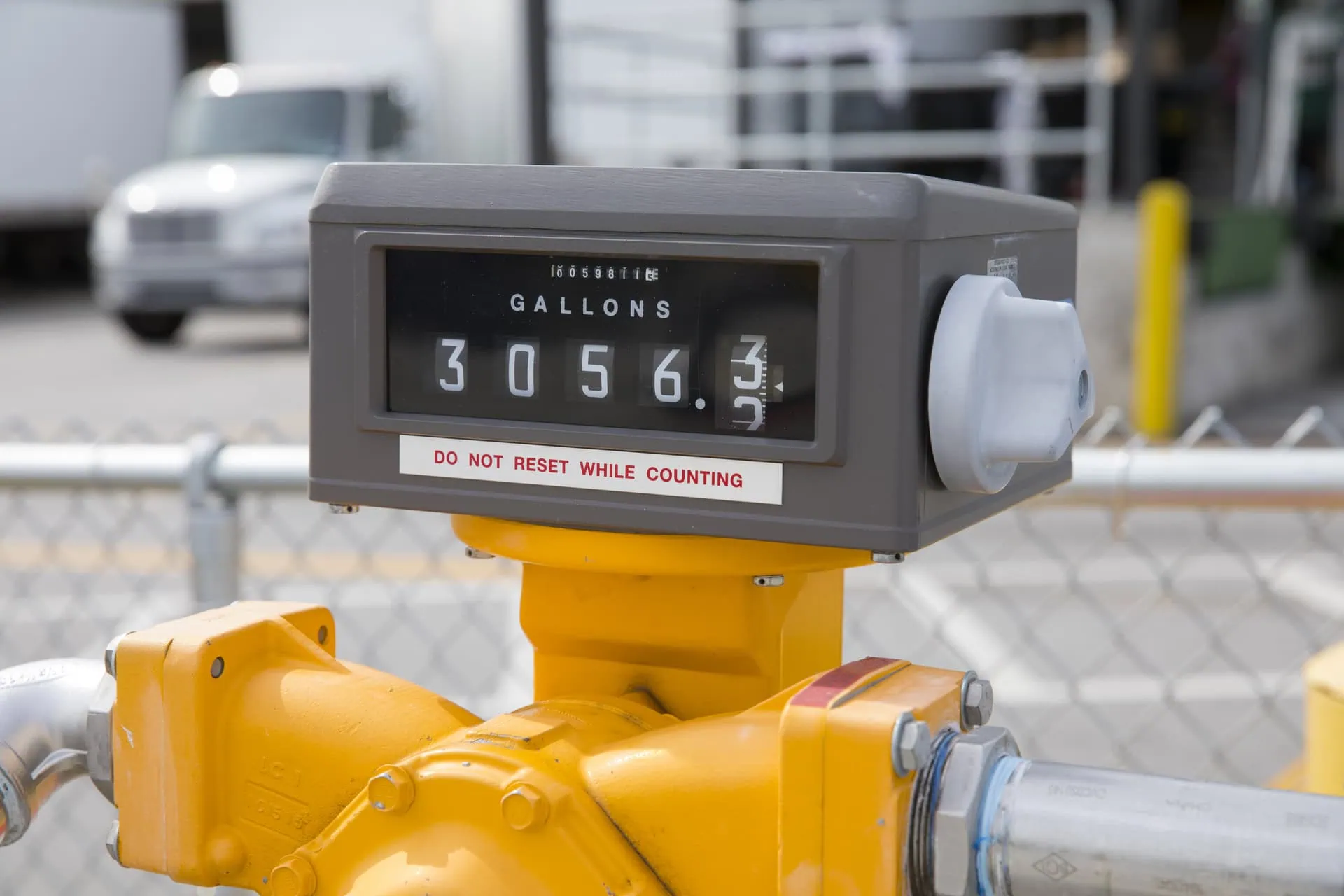
In the design of liquid transfer equipment, digital measurement infrastructure and automation solutions are being increasingly implemented by manufacturers in Türkiye. Smart flowmeters, valve control systems and remote data logging solutions are contributing to improvements in precision, safety and traceability of transfer processes, particularly in petrochemical, fuel, chemical and food sector applications.
Sectoral and Technical Structure
Digital flowmeters and mass flow sensors used in industrial liquid transfer lines are capable of measuring parameters such as volumetric flow rate, mass flow rate, density and temperature in real time. Flowmeters based on magnetic, electromagnetic, turbine, mass (for example Coriolis) or ultrasonic principles enable precise measurement in chemical, fuel and food products. The electronic reading, data transmission and verification capabilities of these devices offer higher accuracy and traceability compared with manual measurement.
These digital measurement systems can be configured not only for flow rate and volume measurement, but also to monitor variables such as liquid density and temperature. In this way, both the characteristics of the transferred liquid and measurement accuracy can be evaluated simultaneously.
Standards and Certification Framework
The internationally recognized OIML R117 1 standard for the dynamic measurement of liquids other than water defines metrological and technical requirements for meters and systems performing volume or mass measurement in liquid transfer systems. These requirements include criteria such as measurement accuracy, calibration, data integrity and testing of system components.
In addition, when such meters and measurement systems are used in Europe for official processes such as liquid transfer and custody transfer, conformity documentation under the Measuring Instruments Directive (MID 2004/22/EC) is taken into account. This documentation covers type approval, calibration and regular inspection processes for meters and measurement systems.
In practical application, flowmeter manufacturers and calibration service providers carry out tests within the scope of OIML R117 at accredited laboratories. In this way, meters are certified to deliver consistent and reliable measurement performance even under different liquids, varying temperature-pressure conditions and variable flow rates.
National and International Framework
The widespread adoption of digital measurement and automation systems increases the ability of flowmeters, flow control and measurement modules offered by Türkiye-based manufacturers to compete in international markets. In particular, MID-certified and OIML-compliant systems carry the potential for legal and technical acceptance in European and other international markets.
This trend supports reliability and regulatory compliance not only for industrial petrochemical lines, but also for all applications requiring precise and documentable liquid transfer across sectors such as food, agriculture, chemicals, fuel and energy.
Research and Development and Engineering Dimension
In new-generation liquid transfer systems, automatic valve control, pressure/flow/temperature monitoring, density detection and data logging operate in an integrated manner. In some systems, smart flowmeters are combined with PLC or SCADA integration, remote monitoring and automated recording and reporting infrastructure. As a result, filling and unloading operations become safer, more controlled and more traceable compared with manual processes.
In addition, advanced technologies such as Coriolis-type flowmeters performing mass flow measurement provide more accurate measurement by taking variables such as density and temperature into account. This delivers critical advantages in applications such as precise measurement, billing, inventory tracking and quality control.
Some manufacturers and calibration laboratories test and certify OIML- and MID-compliant flowmeters, offering measurement systems that are valid for different liquid types and temperature and pressure conditions. This infrastructure can be used not only in industrial transfers but also in logistics, distribution and fuel–chemical transportation applications.
Digital flowmeters and measurement systems raise the technical standards of liquid transfer equipment through criteria such as precise measurement, data integrity, automatic control and traceability. Systems subject to OIML R117-1 standards and MID conformity processes enhance local production quality while providing a reliable infrastructure for applications such as international transportation, custody transfer or industrial transfer. In this way, manufacturers can develop preferred solutions for customers seeking precision, safety and regulatory compliance.


