





In Türkiye and internationally, the use of electric hydraulic power units (e-HPU) and electrically controlled hydraulic/electric systems in hydraulic platform systems used on rescue and firefighting vehicles is drawing attention in terms of operational efficiency, low noise levels and reduced environmental impact. These technologies enable rescue, firefighting and emergency response equipment — particularly booms, platforms or equipment for working at height — to operate in a more controlled, safe and environmentally responsible manner.
Sectoral and Technical Structure
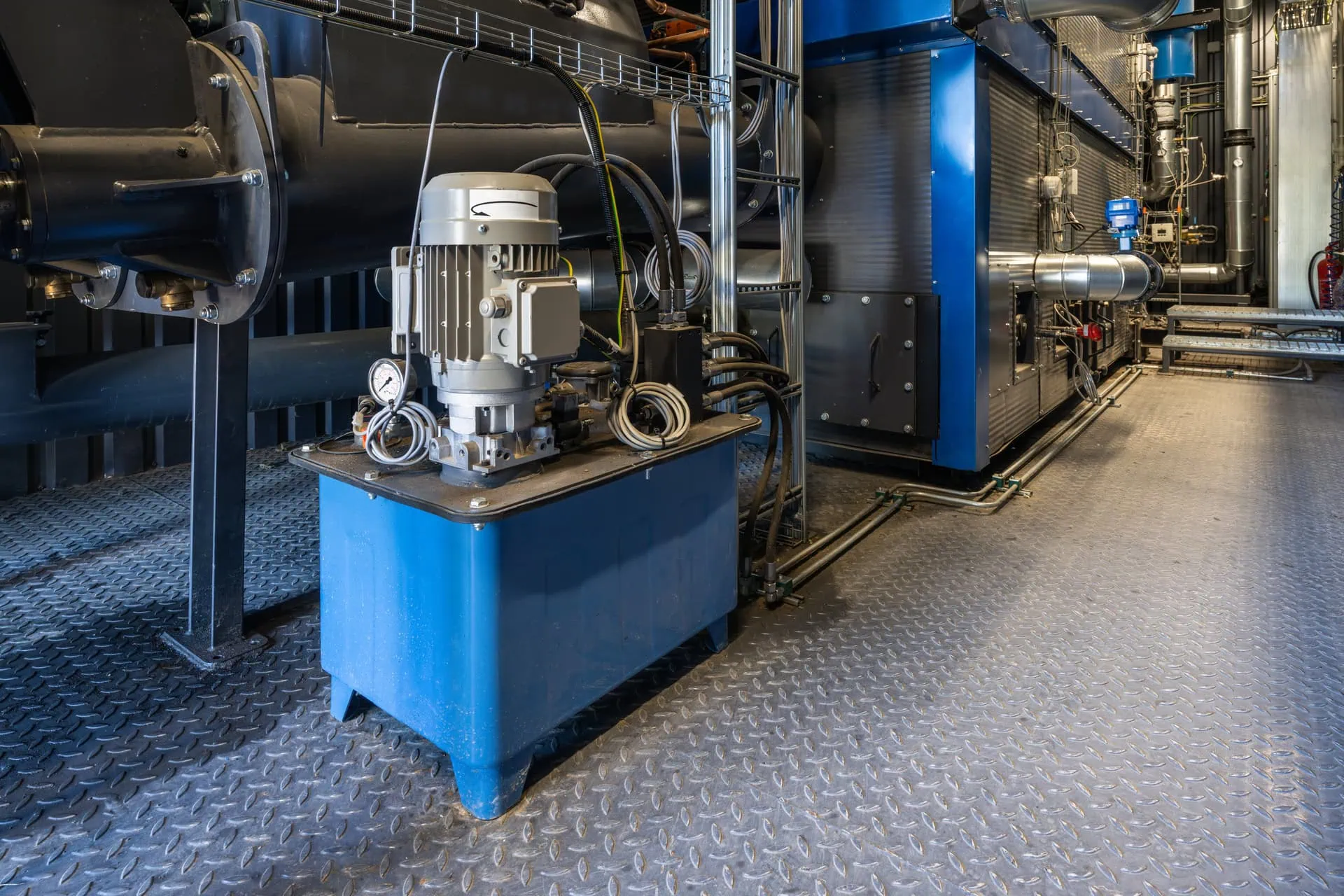
Electric hydraulic power units can operate with lower vibration and noise levels compared with traditional internal combustion engine-driven hydraulic systems. As a result, environmental disturbance and exhaust-related risks are reduced during operations in enclosed spaces, at night or near residential areas. These systems can control hydraulic boom, arm and platform movements through electrically controlled hydraulic pumps, thereby increasing the maneuverability, precision positioning and rapid response capability of rescue vehicles. For example, some electric hydraulic pumps provide power output suitable for rescue operations to ensure effective power transmission. (hydrarite.com)
It is observed that such systems can be designed as modular hydraulic–electric–air power packages; in this way, the same vehicle superstructure can operate both hydraulic and electric equipment — offering advantages in maintenance, installation and operational ease.
Standards and Certification Framework
Safety and structural criteria for vehicle-mounted hydraulic platforms used in rescue and firefighting services are defined under the EN 1777 standard. This standard specifies requirements related to the design, testing, stability, access safety, operational safety, and maintenance and inspection of hydraulic platforms.
In addition, depending on platform type and load class, lifting capacity, stability and operational safety arrangements may be established with reference to the EN 280 standard.
In platforms or rescue units using electric hydraulic systems, safety systems compliant with these standards — such as stability control, load limit protection and emergency stop mechanisms — are noted in both global manufacturer specifications and technical infrastructure catalogues.
National and International Framework
Globally and across Europe, there is a growing trend toward reducing environmental impact and steering emergency response and rescue vehicle fleets toward sustainability. In particular, electric or hybrid-driven rescue vehicles offer advantages in terms of emissions and maintenance costs compared with conventional diesel vehicles. In this context, vehicles equipped with electric hydraulic platforms provide solutions aligned with low-emission, low-noise and sustainable operational approaches for firefighting and rescue fleets.
In addition, producer data and technical presentations highlight that modular power packages result in lower maintenance requirements, reduced vibration and lower environmental burden compared with conventional hydraulic systems.
Research and Development and Engineering Dimension
In electric hydraulic systems, sensor-based monitoring — including pressure, position and stability — together with electronic control units enables more precise and controlled movement of booms or platforms. This provides advantages in sensitive positioning, load balance and safe operation, particularly in rescue and emergency response operations. Especially in hydraulic platforms equipped with CAN-bus control systems, boom movements can be managed sequentially and in a coordinated manner.
From an environmental perspective, system engineering approaches — starting with hydraulic fluid selection and extending to sealing, reduced leakage risk and vibration mitigation — are shaped with due consideration for field safety and environmental protection.
Technical advantages such as modular power packages, ease of maintenance and versatility increase the potential for electric hydraulic rescue platforms to offer long-term operational and economic benefits compared with conventional systems.
Rescue and firefighting platforms equipped with electric hydraulic systems constitute a sustainable alternative for modern emergency response fleets, offering advantages such as low noise levels, clean energy use, precise control, environmental sensitivity and standards-compliant safety systems. From both technical safety and environmental sustainability perspectives, these vehicles stand out compared with conventional diesel–hydraulic systems.


