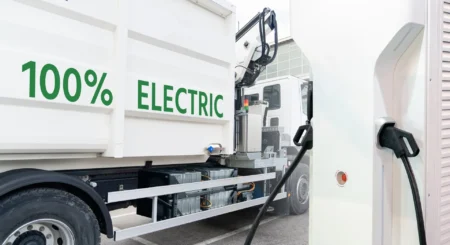


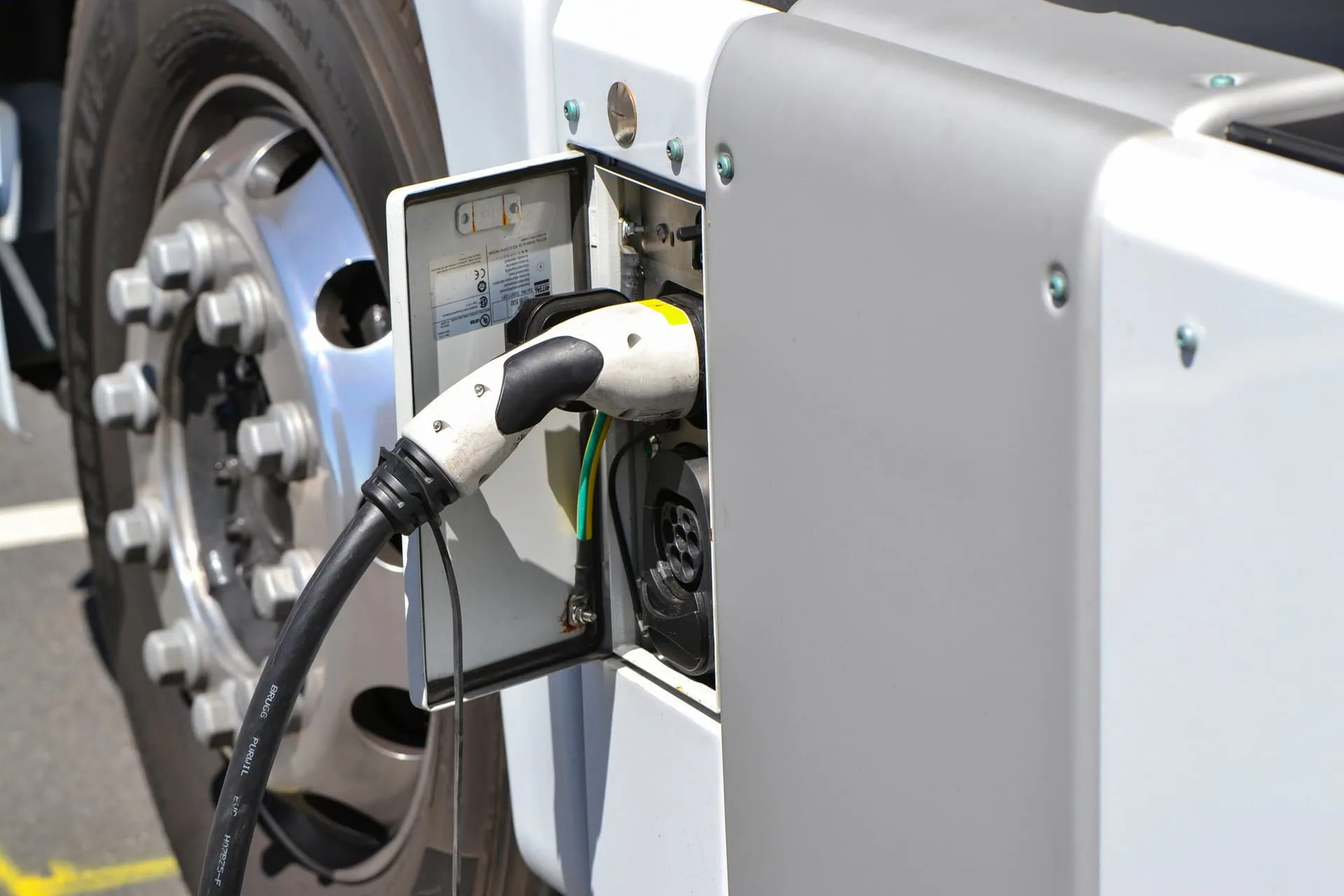
As of 2025, charging infrastructure for electric trucks is entering a significant phase of development in terms of both technical capability and standardization. Steps are being taken to expand high-power DC charging systems suitable for the Light and Heavy Commercial Vehicles segment, with the aim of establishing infrastructure for long-range transport in compliance with international standards.
Expansion in Sectoral and Technical Infrastructure
The high-capacity batteries of electric heavy commercial vehicles (heavy-duty EV / e-truck) create much higher energy demand compared with passenger electric vehicles. To meet this demand, DC fast charging units are being designed in power ranges suitable for the heavy-duty segment. In the literature, at least three basic use scenarios are defined: depot charging, distribution center / destination charging, and public motorway / corridor charging points (public/highway hubs).
In addition, beyond conventional solutions such as CCS, it is noted that “megawatt”-level charging systems (MCS – Megawatt Charging System) offering much higher power levels are being developed for medium and Heavy Commercial Vehicles.
Standards and Documented Technical Requirements
One of the internationally recognized standards widely accepted in DC fast charging infrastructure is IEC 61851-23. This standard defines the technical and safety requirements for electric vehicle supply equipment (EVSE) with inputs of up to 1,000 V AC or up to 1,500 V DC.
The scope of the standard includes the definition of protection arrangements, insulation safety, cable/connector standardization, and safe interfaces for energy transfer.
In terms of vehicle–station communication and data exchange, communication protocols used to manage the charging process also come to the fore. Protocols and digital control methods that provide secure communication between DC charging stations and vehicles are regarded as critical for both infrastructure safety and user experience.
High-Power and Megawatt-Level Charging Technologies
In the heavy-duty segment, high-power and fast charging infrastructures are coming onto the agenda, moving beyond standard passenger EV solutions. MCS-type solutions are theoretically designed for energy transfer at high voltage/current levels such as 1,250 V DC and 3,000 A; this supports the operational use of large-battery vehicles such as heavy trucks and buses.
According to research, this type of high-power charging infrastructure offers significant advantages across different use scenarios, from urban distribution to long-distance transport. Operational continuity, fleet and individual vehicle management, energy efficiency, and infrastructure optimization are among these advantages.
International Alignment and the Need for Standardization
In international literature and among standards organizations, the need for compatibility, safety and performance verification for charging infrastructure for electric heavy commercial vehicles is clearly emphasized. Standards such as IEC 61851-23 establish this verification framework in terms of safety, insulation, energy transfer and vehicle–station compatibility.
At the same time, it is noted that for high-power charging solutions to become widespread, infrastructure planning, grid capacity, energy management, station layout and communication protocols must be implemented in a coordinated manner.
The Search for Compliance in Electric Truck Charging Infrastructure in Türkiye
In light of rapidly developing charging infrastructure standards and high-power DC solutions for electric heavy-duty vehicles worldwide, similar alignment efforts and infrastructure planning are likely to come onto the agenda in Türkiye as well. Establishing infrastructure compliant with international standards such as IEC 61851-23 could support the use of electric trucks in both domestic transport networks and international logistics corridors.
This process demonstrates that heavy-duty charging infrastructure is not limited to the battery–vehicle connection alone, but requires a multidimensional engineering approach encompassing energy management, communication, safety, fleet coordination and infrastructure integration.